How Cleveland winters affect your pipes and what to do
Cleveland, Texas does not freeze often, but when it does, homes built for heat take the hit. Here is how the cold reaches your pipes, how to prepare, and what to do if a line freezes.
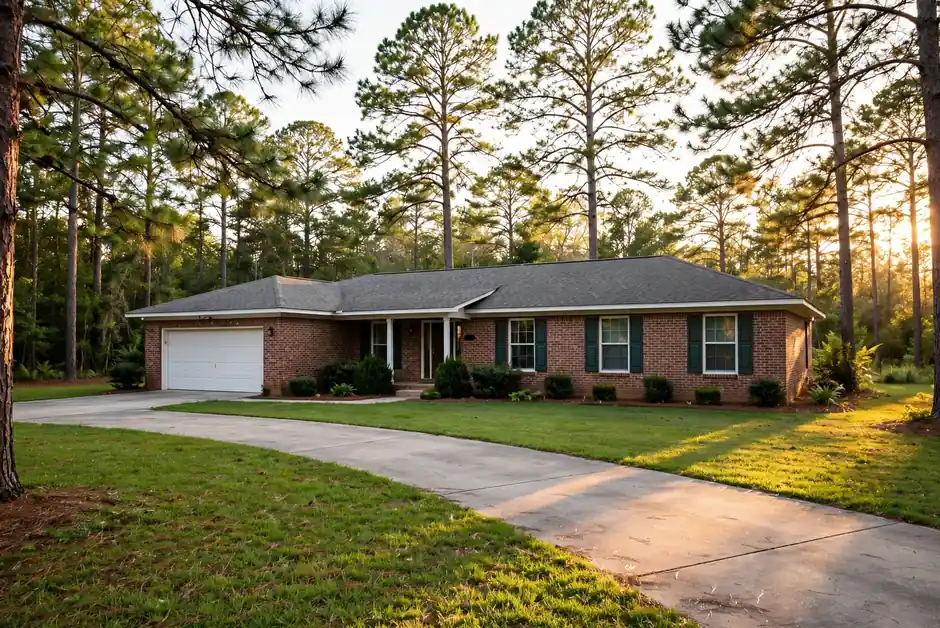
Cleveland winters are usually mild, which is exactly why a hard freeze causes so much trouble here. Homes in Liberty County are built to shed summer heat, not to hold warmth around pipes, so a cold snap that a northern house would shrug off can freeze a line in an attic or under a manufactured home. Two freezes in recent years proved the point: Winter Storm Uri from 14 to 18 February 2021, and the January 2024 hard freeze, when a Hard Freeze Warning named Cleveland. Houston Public Works handled 171 water-main breaks in that January 2024 freeze alone, a measure of the regional scale of the event, not a Cleveland figure. No Cleveland-specific burst-pipe count was published for either freeze, so this guide sticks to what is verified: the mechanisms, the preparation, and what to do when a pipe freezes.
How Cleveland TX winters actually affect your pipes
Cleveland sits in USDA zone 9a, with a median last spring frost around March 7 and a median first fall frost around November 20. A hard freeze usually ends around February 17 and returns around December 4, but those are long-term normals, not promises: Uri arrived in mid-February and the January 2024 freeze came with a warning that named Cleveland directly. When temperatures drop below freezing overnight and climb back above it by day, water inside an exposed line freezes, expands by about 9 percent, and splits the pipe or a fitting. The damage often stays hidden until the ice thaws, which is why a burst pipe is frequently found as a wet ceiling or a puddle the morning after the coldest night.
Why Cleveland pipes freeze more than you would expect
Three features of local housing make freezing more likely here than the mild winters suggest. First, many Cleveland homes route water supply lines through unconditioned attics to reach bathrooms and kitchens, and attic temperatures track outdoor temperatures closely. Second, older homes on pier-and-beam foundations, and manufactured homes on skirting, leave water lines in crawlspaces that sit close to outdoor temperature. Third, the hose bibb is the most freeze-exposed fixture on most houses: a standard bibb with a hose left attached traps water that freezes and splits the valve body. Add the age of the housing stock, a median year built of 1984 with about 40 percent of homes built before 1980, and many lines are older copper or galvanised steel running through spaces that were never meant to stay warm.
How do I prevent frozen pipes in Cleveland Texas?
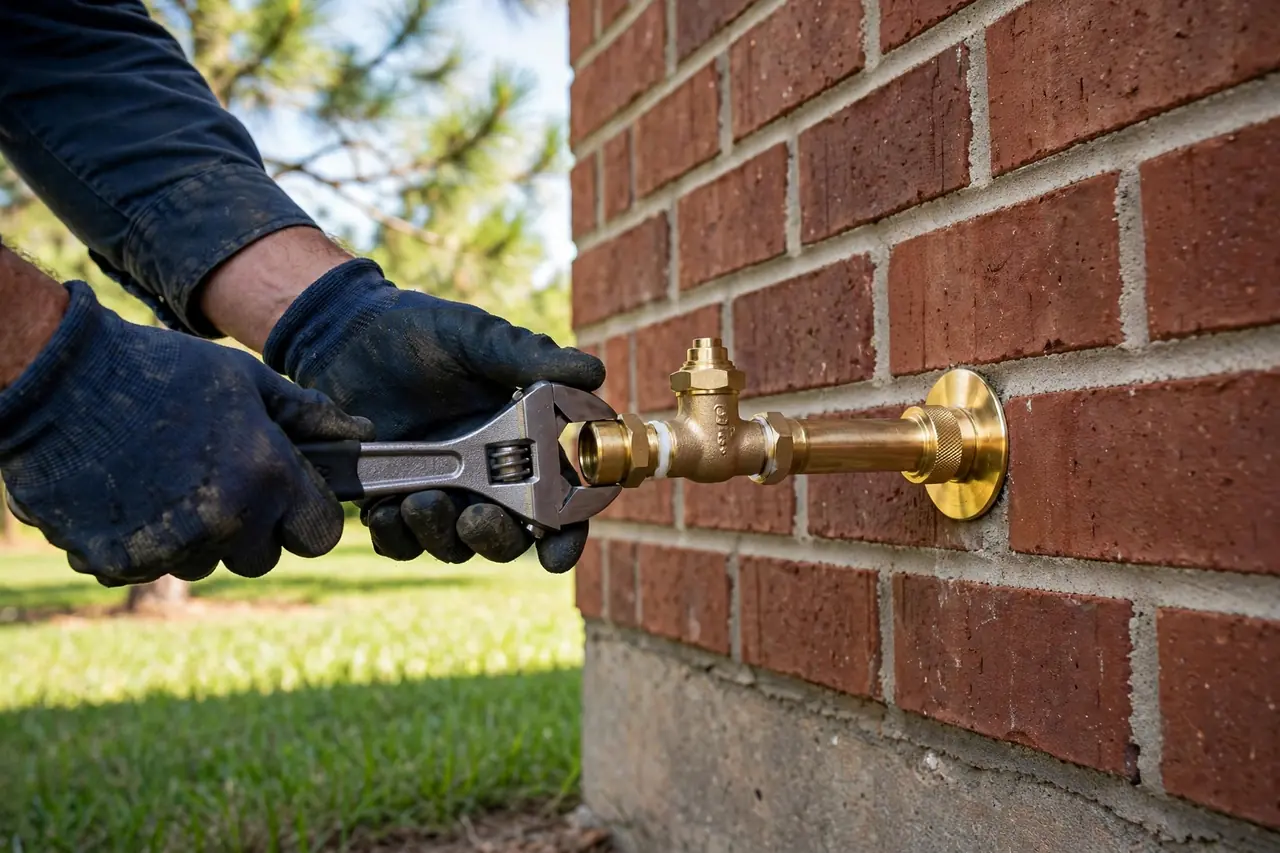
Preparation is a November job, before the first hard freeze. Disconnect every garden hose and drain the outdoor line if you have an inside shutoff for the bibb. Insulate exposed lines in the attic, crawlspace, and garage with foam sleeves or fibreglass wrap, paying attention to elbows and fittings, which is where pipes split. Seal gaps around pipes where they pass through exterior walls. On nights below 28 degrees, drip one faucet, preferably the one farthest from the water main, at a pencil-lead stream, and open cabinet doors under sinks on exterior walls so warm air reaches the pipes. Keep the thermostat at 68 degrees or higher day and night during a freeze, and do not set it back overnight. Most important of all, know where your main shutoff is and make sure the valve turns freely. If you are leaving town during a freeze, leave the heat on and have someone check the house. For manufactured homes, check the skirting and the lines beneath it, and insulate any exposed section. Our residential plumbing team in Cleveland, TX can check insulation, shutoffs, and pressure in one visit.
What to do if your pipes freeze in Cleveland TX
If a pipe freezes, shut off the main water valve first, then open the faucet nearest the frozen section. Thaw the line slowly with a hair dryer, a heat lamp, or warm towels, working from the faucet end back toward the main, and watch for leaks as the ice melts. Never use an open flame, a propane torch, or a heat gun on high: you can crack the pipe or start a fire inside a wall cavity. If you cannot reach the frozen section, which is common with attic lines, that is a job for a plumber. If a pipe has already burst, keep the main shut off and call before you start mopping: water behind drywall and under flooring needs to be dried out, not just wiped up. Our emergency plumbing services in Cleveland, TX handle frozen and burst pipes during business hours, Monday through Saturday, 7:00 AM to 5:30 PM.
Common mistakes that turn a freeze into a flood
The most expensive mistake is leaving the house during a hard freeze with the heat set low or off. A burst pipe can run for hours before anyone notices. The second is thawing a frozen pipe with a torch. Other mistakes we see every winter: leaving a hose attached to the bibb, closing off rooms on exterior walls so heat never reaches the pipes, setting the thermostat back at night, and ignoring a drop in water pressure that can signal a partially frozen or damaged line. If a line froze once, have it inspected: a pipe that froze is weaker at the fittings and more likely to freeze again. Our leak detection service in Cleveland, TX finds hidden splits before they show up as a stain on the ceiling. Homes in Southern Crossing and other areas with manufactured homes should pay special attention to skirting and crawlspace lines, and older homes in Downtown Cleveland should have attic and exterior-wall lines checked before winter.
When to call a professional
Call a professional when you cannot reach the frozen section, when a pipe has already burst, when water pressure drops across the whole house, or when you see water where it should not be. Those are the situations where a do-it-yourself fix usually makes things worse. At Precision Plumbing LLC, we handle frozen and burst pipes, attic and crawlspace line repairs, hose bibb replacement, and winterisation checks. We find the problem, fix it, and test the line before we leave.
Frequently Asked Questions
How do Cleveland TX winters affect my pipes?
Hard freezes can freeze water inside exposed lines in attics, crawlspaces, and exterior walls. The water expands as it turns to ice and can split a pipe or a fitting, and the damage often shows up only after temperatures warm and the ice thaws.
How do I prevent frozen pipes in Cleveland Texas?
Disconnect hoses, insulate exposed lines in the attic and crawlspace, seal gaps around exterior penetrations, drip one faucet on nights below 28 degrees, and keep the thermostat at 68 degrees or higher. Know where your main shutoff is before you need it.
What should I do if my pipes freeze in Cleveland TX?
Shut off the main water valve, open the nearest faucet, and thaw the pipe slowly with a hair dryer or heat lamp, never a torch. Work from the faucet back toward the main, and watch for leaks as the ice melts.
Do pipes freeze in Cleveland Texas winters?
Yes. Winter Storm Uri in February 2021 and the January 2024 hard freeze, which came with a Hard Freeze Warning naming Cleveland, both froze pipes across the region. Attic lines, crawlspace lines, and hose bibbs are the most common freeze points.
Who do I call for frozen pipes in Cleveland TX?
Call Precision Plumbing LLC at (346) 687-0011 during business hours, Monday through Saturday, 7:00 AM to 5:30 PM. We handle frozen and burst pipes, and we can walk you through shutting off the water while you wait.
Get help with plumbing in Cleveland
If a pipe has frozen or burst, or you want your home winterised before the next hard freeze, call Precision Plumbing LLC at (346) 687-0011. We serve Cleveland — call to confirm your address is in our service area — and we will find the problem, fix it, and test the line before we leave.